Showing posts with label PET containers in kerala. Show all posts

Plastic Bottles & Containers for Industrial Cleaning Products | Plastic Bottle Manufacturers

Plastic Bottle Manufacturers | HDPE Bottles | Tablet Bottles

The Plastic Bottle manufacturing industry manufactures a range of bottles from different plastic mixes dependent on their end-use. 


Plastic-Bottle-Manufacturers


Modern cleaning isn't a simple activity and it very well may be made harder by not having the correct hardware including holders for cleaning items. 

Putting resources into great quality plastic compartments and particularly the correct holders for the correct items can imply that the cleaning staff can really complete their work substantially more effectively. 

Regardless of whether you are a maker of cleaning items or a co-packager, we can supply you with the jugs or compartments that you need. On the off chance that you can't see the plastic holder that you require on the site if it's not too much trouble give us a ring and we can look into it for you and conceivably even source it.

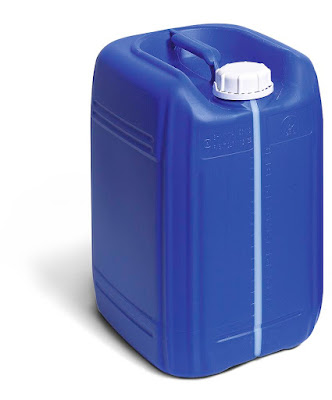
Plastic Bottle Manufacturers stock various plastic jugs and holders that are reasonable for use for mechanical cleaning items and janitorial items. Our items HDPE plastic holders are intense and tough and intended for use with solid synthetic substances. 

Plastic Bottles & Containers for Cleaning Solution:


  • Air Fresheners and Sanitisers
  • Automotive Products
  • Bactericidal Cleaners and Surface Sanitisers
  • Bar Products
  • Bathroom Cleaners
  • Bleaches
  • Body Fluid Treatments
  • Car Wash Chemicals
  • Catering Products
  • Concentrated Products
  • Laundry Products
  • Liquid Soaps
  • Metal Cleaners
  • Oven Cleaners
  • Soap Dispensers
  • Specialist Products
  • Toilet Cleaners
  • Washroom Products
  • Window Cleaners

Benefits of Plastic Bottles & Containers

  • Rugged and Safe
Not at all like glass holders, plastic containers are rugged and strong; they don't break into sharp pieces when dropped, making items and bundling safe to deal with.

 Since plastics are polymers - long particles made by connecting many short ones together - they have helpful physical properties, for example, toughness and resistance to chemicals.

 A similar strength makes plastic containers far-fetched to release or blast, securing the substance just as outside transportation containers.
  • Shapes and Colors
Plastic materials are anything but difficult to form into a wide assortment of container shapes, improving their appearance and utility.
Plastic containers are lighter in weight than their glass partners, decreasing vitality and costs required to dispatch items. Since plastics are delicate and have generally low dissolving focuses, plastic containers take less vitality to make than glass.
  • A Recyclable Material
After the first use, PET and different sorts of plastic jugs are effectively reused into numerous kinds of optional items.

SMART PACKAGING, Plastic Bottle Manufacturers is the main expert group in the field of present-day plastic holders/Jars/Bottles/PET Bottles. Our group is built up with an emphasis on advancing a wide assortment of creative and savvy plastic jugs utilizing practically all evaluations of excellent polymers for different pressing needs.
.


Plastic Bottle for Cleaning Solution


Plastic Bottle for Cleaning Solution

Plastic-Bottle-for-Cleaning-Solution


Smart Packaging is the main expert group in the field of modern plastic compartment/Jars/Bottles/PET Bottles. And the group is built up with an emphasis on advancing a wide assortment of inventive and practical plastic jugs utilizing practically all evaluations of excellent polymers for different pressing needs. Smart Packaging introduces Floor cleaner, Dish wash, Toilet cleaner, and flat container Plastic Bottles for Cleaning Solution.
Cleaning-bottles


Plastic Floor Cleaner The bottle is utilized to store synthetic compounds that are utilized in quality and proficient cleaning of floors and tremendously requested in the market. The offered jug is planned by our experts utilizing high-grade crude material according to characterized industry standards. Dish wash bottles help and control the liquid, smart packaging established with a focus on promoting a wide variety of innovative and cost-effective Dish wash plastic bottles using almost all grades of high-quality polymers for various packing needs.

Advantages of Smart Packaging- Plastic Bottles


  • Tough and Safe: Not at all like glass compartments, plastic containers are rough and strong; they don't break into sharp pieces when dropped, making items and bundling safe to deal with. Plastics are polymers so long atoms made by connecting many short ones together - they have helpful physical properties, for example, durability and protection from synthetic concoctions. Similar flexibility makes plastic containers improbable to release or blast, ensuring the substance just as outside transportation containers.
  • Shapes and Colors: Plastic materials are easily molded but difficult to form into a wide assortment of container shapes, improving their appearance and utility. For instance, producers consolidate basic handles, estimation checks and emptying lips into certain kinds of plastic jugs. What's more, plastics can go from perfectly clear to any shade or shading, regardless of whether translucent or obscure, making items and brands simple to distinguish by locating. Plastic jugs require no paint; the shading material is blended into the plastic sap, so it never runs, rubs or washes off.
  • Energy Saving: Plastic containers are lighter in weight than their glass partners, decreasing vitality and costs required to dispatch items. Since plastics are delicate and have generally low dissolving focuses, plastic jugs take less vitality to make than glass.


  • Recyclable Material: SmartPackaging provides recyclable plastic, After the main use, PET and different kinds of plastic containers are effectively reused into numerous sorts of optional items, including floor covering strands, cushion stuffing, tote sacks, and tying materials. Some drink bottles and nonfood compartments additionally, utilize reused plastic. The lightweight of plastic containers limits the expense of moving materials to reuse focuses.


Edible Oil PET Bottle Packaging


As a health conscious individual, if you regularly use edible oils, it is evident that you know their outstanding attributes. It is no secret now that we are living in a world where our bodies are unknowingly exposed to various types of ailments. Therefore, it becomes paramount for every family that its everyday meals are cooked in edible oils so as to eliminate the chances of any health perils.

However, while rejoicing the above healthy facets about the edible oils, one thing must have certainly amazed you – their packing. And when you closely observe, you are left to wonder how challenging it should be for the manufacturers – to send thousands of litres of edible oil adequately bundled in those colourful bottles to customers, and to make sure that the oil reaches your home with complete sanctity! Well, that is a sensible point; manufacturers of edible oils have to lay significantly high stress in terms of their packaging. But before we know more about that, let’s find out what characteristics make edible oils so much preferable and why their packaging has to be user-sensitive.


Why Edible Oils need special packaging

You can find edible oils in a large variety. Amongst all others, corn oil and vegetable oil are highly preferred by people because they are inexpensive. These oils go through a heavy processing mechanism due to which trans-fat content in them is excessive. Those who regularly use processed oils are always prone to different diseases such as coronary artery diseases or enhanced hypertension.

On the other hand, edible oils got high nutritional value and they reduce chances of diseases as they keep body nourished. The edible peculiarities of these oils can be enjoyed in a variety of ways:

Olive Oil lets you forget the possibility of heart problems because it is rich with monounsaturated fat. Its fruity flavour is always a surplus treat for your dishes. With regular consumption, some types of cancers and diabetes can be kept at bay. Because of these health advantages, olive oil can be assuredly used for both vegetarian and non-vegetarian cooking. Today, it becomes the top choice worldwide. People do not bother paying high in lieu of incredible health benefits achieved.

Qualities of olive oils are best retained in specialized PET bottle packaging. The PET bottle packaging primarily focuses on:

  • Freshness, because this form of edible oil is usually preserved and not consumed instantly, and PET makes sure that.
  • Acidity, because this is the foremost thing for extra virgin olive consumers. PET bottle packaging ascertains its originality along with its acidic flavour.


Coconut Oil is another important form of edible oil which is rich with properties that are antifungal and antiviral. National Centre for Biotechnology has confirmed its disease-fighting characteristics being rich with medium-chain fatty acid and lauric acid. This edible oil form also checks cholesterol level because of monounsaturated fat contents.

Specially designed edible oil PET bottle packaging makes sure that triglyceride levels are adequately maintained in the oil. PET also keeps the oil free from any contamination and retains its healthy-hearth qualities.

What attributes are important while designing PET bottles for oils?

Designs and shapes play an important role from the aesthetic point of view. It is a proven fact that if the design appeals to the buyer, there is greatly likely he or she go for the product. Therefore, cute and catchy designs are preferred. Specialists recommend that following attributes should be there in an oil bottle:

  • Stability: It is critical that the design is stable. It can be stacked easily in the shelves/boxes. Homes, supermarkets, and conventional shops have large handling of oil bottles. Unstable/inconvenient design causes damage during transit or storage.
  • Shape: Edible oil PET bottles should be should be shaped in such a way that it is convenient to pick and lift. Handling comfort is the prime criteria while finalizing the shape.
  • Durability: It is important that oil bottles are durable. The design and shape shouldn’t have weaker areas that are unable to sustain pressures. There is a risk of leakage and damage from such weaker points.
  • Leak-proof and moisture resistance: Absolute leakproof bottles are needed for edible oil packaging. High precision moulding machines are required for zero defect bottles. Oil has to be kept 100% moisture free because it gets contaminated in the presence of moisture. Hence, it is important that stringent quality measures are followed for production.
  • Recyclability: Oil is a consumable item. Hence, there is fast recycling of packaging bottles. If the material is 100% recyclable, then it is not only environmentally friendly but cost effective as well. Use of virgin plastic is mandatory for oil bottles. The production units have to follow government norms defined for production and recycling.
  • Cost: Since these bottles are required in huge quantities, they have to be inexpensive. Intricate designs bring more wastage in production increasing production cost. Simple, but unique designs are always preferred.
  • Colour: Usually clear PET bottles are used for oil packaging. Dark yellow or green bottles are also a popular choice. Semi-transparent or opaque bottles are also quite popular today. It is because of the sensitive characteristics of edible oils which are always prone to oxidative deterioration like adverse circumstances leading to photo-oxidation. 
  • Consequently, it becomes imperative for the manufacturers to get particularly designed bottles and pack the edible oil in bottles of specific shapes. Following part of this article elaborately discusses what PET bottle packaging used for this purpose. But before that, it should be ideal to know more about edible oils, chemical changes leading to their damage and how PET bottles turned out to be the best alternative for their packing.

Edible oils are light sensitive food items with a high risk of degradation due to oxidation. It impacts adversely on the colour, consistency, and taste. It also reduces shelf-life. Therefore, UV absorbers or chromophore deactivating substances need to be added to the material. Adequate research and concentration are required to derive at competent design.

To Buy PET Plastic Bottles Click Here

PET a Very Crucial Raw Material For Packaging


PET has been in use from quite a long time, but recent years showed a great surge in the demand worldwide. Easy availability of the PET material has a great emphasis on packaging due to high-quality production with reduced costs. According to a forecast from Smithers Pira, there will be a sustained annual growth of 4.6 per cent year-on-year basis in the next five years. It is a phenomenal increase from any scale. Other than established economies, transitional and emerging ones become prominent players in the marketplace.

Sustainable growth would take the demand for PET packaging material to new heights

The increasing importance of attractive packaging and personal hygiene are major reasons behind the increase. A large number of PET bottles for wines, spirits, pharmaceuticals, and dairy products are needed due to their reliability and sturdiness.

Market reports say that the worldwide market will show a gigantic increase to $60 Million from the current figures of 48 Million with an annual growth rate of 4.6 per cent approximate. With a sustained growth, it will open new horizons in the coming five years.  Consumption in tones expected to reach 20 Million tonnes in the aforesaid period.

Reasons for such an overwhelming performance

Experts say that the trends were indicating a fantastic future in 2010 when PET bottles gained worldwide popularity due to easy handling, durability, convenience, and cost-effectiveness. Being incredibly lightweight they are ideal for on-the-go utilization. There were various reasons behind it:

1. Due to the popularity of bottled water, ready-to-drink beverages, soft drinks, and juices there was a need for good quality durable packaging material PET emerged as the best alternative.

2. Household cleaning products and pharmaceuticals replaced conventional packaging material with PET. It is a cost-effective and convenient alternative.

As per data, around 12.5 million tonnes of total 15.4 million tonnes were contributed by PET bottles. Bottles water contributed for 5.45 million tonnes and 5.17 million tonnes by carbonated water. Experts say that the timid performance by the latter is triggered by increasing awareness about the harmful effects of sweetened drinks.

Glass-Vs-Plastic

Among other important sectors in the packaging industry, non-food packaging demonstrated a phenomenal increase of 4.4 per cent and thermoforming packaging recorded 4.7 per cent.  Thus, the fastest growth has been shown by packaged water.

Future seems to be further promising

Well-known brand owners and packaging experts are quite confident that the future is further promising for this industry. With new technology, it is possible for reducing the weight of PET bottles further. It will result in further cost-effective products. Since PET bottles share more than 80 per cent of the overall sales, it is going to be a great impact on the business. Experts predict that the bottled water is going to rock in the next five years with a consistent volume growth of 6% whereas pharmaceutical and other drinks are expected to touch the 5% mark.

Who will be the market drivers?

It is sure that the developing markets will steal the show irrespective of geography. In the last five years, Asia Pacific has left Western Europe and North America far behind. In fact, it has become the largest regional market in the aforesaid period. Global recession did not affect this region as badly as North America or Western Europe. Hence, the total share was 31% by the Asia Pacific in the last five years. Future trends indicate that it will show the same increase.

PET Consumption in Asia and other continents

PET is a versatile resin used for a wide variety of applications like food packaging, bottling, films and many more. PBT is another type of thermoplastic that is useful in electronic goods, electrical appliances, automotive parts and consumer products. There has been a phenomenal increase in the demand for PBT and PET in the last few years. Estimates show that from 2014 to 2019, there will be a steady growth of more than 7 per cent worldwide. These figures are based on the overall consumption of both types of resins.  These calculations are based on Five Forces model of Porter that takes into account the current industry trends, value chain analysis, and the top players that contribute to the consumption.

Among various contributing factors for the significant increase in the consumption of PET and PBT, some are prominent ones. Increasing the use of industrial plastic in place of metal, the surge in the use of electrical and electronic applications, emerging economies, are to name a few. Replacement of synthetic PBT with bio-based PBT and reduction in halogen content are also other important drivers. Population growth, urbanization increase, the rise in consumption of FMCG are equally responsible for the growth. There was stagnancy in economies of North America and Europe, but the increase in Asian economy shifted the focus from developed countries to developing countries.

Companies that produce PET resin focus keenly on the expansion and trying to achieve a competitive edge by enhancing efficiency.  Being a dynamic market, it is essential that customer handling takes paramount importance.  All top players spent considerably on R&D and expansions in order to bridge the gap between demand and supply. Out of all marketplaces, Asia-Pacific emerges as one of the greatest driving force behind the increase of PET and PBT consumption.

1. China comes out to be the frontrunner in the consumption of both resins due to the rise in demand by automotive and electronic sectors.

2. India, Brazil, Germany are the other big players.

3. Asia-Pacific consumes 38% PET and 54% PBT of the overall consumption. They are quite impressive.

4. A lot of mergers, acquisitions and agreements happened in last few years making it a dynamic and vibrant marketplace.

Contact Smart Packages for more information

How Important is Colour in Packaging?


Colour plays a vital role in plastic product packaging. Whether you’re incorporating primary or complementary colours, all colours assist brands in distinguishing product packaging and help it stand out.

Consumers pay close attention to the colours of a brand’s packaging before making their purchasing decisions. Consumers pay close attention to the colours of a brand’s packaging before making their purchasing decisions.

Colour is Essential to Packaging
According to Packaging Digest, colours in product labels and packaging play a huge role in the consumer’s purchasing decisions. Studies show:

  • Almost 85% of shoppers say the colour is the primary reason they’ve purchased a certain product.
  • 80% of shoppers say colour increased brand recognition.

5 Most Popular Colors Brands Use to Convey Emotion
Colours have been known to evoke emotions. It also has a massive impact on consumers’ perception when it comes to product packaging. In fact, there are six colours, which have been identified as being critical in purchase decisions, according to an article by Inc.

colour swatches Colors evoke various emotions and moods that affect consumers’ purchase decisions when shopping.
  1. Blue represents sincerity, cheer, and honesty.
  2. Red represents new, daring, exciting, and contemporary.
  3. Green represents fresh, imaginative, and communicates eco-friendly or organic as well.
  4. Purple represents unique, out of the box, edgy, yet dependable, and high-end.
  5. Orange & Yellow represents rugged, strong, cheerful, and optimistic.


4 Colour Trends in Packaging
While other factors, such as brand recognition and product quality, play a part in purchasing decisions, colour is still one of the most important aesthetic features to consider.

Here are four popular colour trends in the product packaging industry.

  1. Pastels gained significant popularity in 2018. These colours are soothing and create a sense of calmness in consumers.
  2. Colour Gradients are very popular. Everywhere you turn, you’ll be able to find colour gradients – even when you’re watching a sunrise or sunset. The colour transition of colour gradients stimulates moods like calm, peace, or even excitement.
  3. Green – the word and the colour – takes on multiple meanings. While the word represents environmental friendliness, the actual colour is the indicator of its impact on the environment and the sourcing of the packaging materials. The market for environmentally friendly products is constantly growing and usually incorporates green in the packaging.
  4. Colours Are Linked to Flavors, which might not be a huge surprise. Linking colours and flavours have been a common association for quite some time. For example, linking yellow to lemon flavour and red to cherry flavour creates a quick recognition of foods. Manufacturers use this method to influence split-second purchasing decisions and to drive sales.

Consumers can already tell a juice and carbonated beverages’ flavour by its colour. Consumers can already tell a juice and carbonated beverages’ flavour by its colour.

Upcoming Color Trends
The Global Cosmetic Industry predicts the top colours for the 2020 Spring and Summer seasons. Colours are beginning to reflect what attracts millennial and Gen Z consumers, who are steadily gaining more purchasing power. These consumers are interested in self-expression, quirky influences, and bold visual aspects. The forecasted trends are:

  • Muted Tones
  • Bright citrus hues
  • Earthy reds
  • Clinical influences

Interested in Making Your Product’s Brand Colors Pop?

Since colour plays such a big role in the consumer purchase decision, manufacturers can’t afford to overlook this detail.

Smart Packaging is here to become your complete packaging solutions provider. Let our knowledgeable packaging solutions specialists assist you by providing colour insights and design direction on your product packaging.

Contact Smart Packaging today.

Is it safe to drink water from plastic bottles?

Plastic bottle manufacture in Kerala

Probably. But it depends on the type of plastic the bottle is made from.

When it comes to a healthy drink, nothing can compete with water.

And in an effort to be more healthy, many of us make a point of carrying water bottles with us everywhere we go. But are our water bottles a health issue? Especially those made from plastic?

Generally, they are safe, but it depends on the kind of plastic the bottle is made of.

Most plastics are made of long chains of hydrocarbon molecules, built from simpler building blocks called monomers. Some plastics then have chemicals added to give them a characteristic such as flexibility or colour.

Buying bottled water
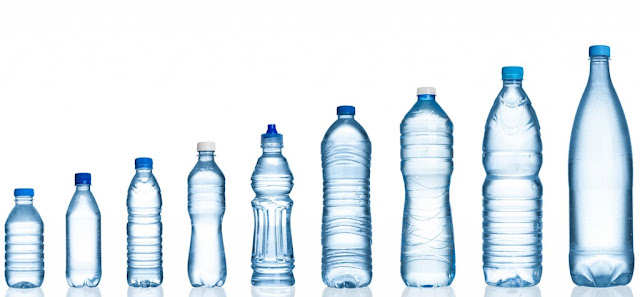
The 'single use' water bottles that you typically buy at milk bars, service stations and the like are usually made from polyethylene terephthalate (abbreviated to PET or PETE), an inexpensive and lightweight plastic. Its recycling code (the number in the centre of the triangle of arrows found on most plastics) is 1.

"PET is not one of the plastics that one would think has a propensity to cause a problem," 

Agrees with the US FDA, which says that PET bottles are safe for use and reuse so long as they are washed properly with detergent and water to remove bacteria.

The safety of using PET bottles was questioned after a student research project hit the headlines. The 2001 study found traces of a phthalate — a potentially harmful 'plasticiser' used to make some plastics more flexible — in water from PET bottles, but the research hadn't been verified.

PET has never contained phthalates and the public's association between the two could be based on the plastic's name.

And while some preliminary studies have suggested water from PET bottles can contain as-yet-unidentified substances with 'oestrogenic' properties (which disrupt the body's normal hormone regulation),  no rigorous scientific review has backed these.

A substance called antimony is used in PET production and it can leach into the water in PET bottles. However, this doesn't pose much of a risk.

"Antimony is not in the same league as lead or mercury toxicologically so the likelihood of harm is low,'.

Using your own bottle
But what if you've decided not to buy bottled water, but to use a refillable water bottle to cut down on the plastic sent to landfill?

Polycarbonate has been commonly used to make the sturdy reusable water bottles that many of us use. Polycarbonate is one of the plastics classed as 'other' in the recycling scheme. It has a recycling code of 7, but not all bottles stamped with a 7 are made from polycarbonate.

Polycarbonate is made of a monomer called bisphenol A (BPA). As the plastic breaks down over time, BPA is released into the water held in polycarbonate bottles, particularly when the bottle is heated or repeatedly washed.

"If you have a bottle made of polycarbonate, on first use there probably isn't much depolymerisation but as you use it again and again — especially if things are warm or hot — then there's a high likelihood that there will be a breakdown of the plastic to release the monomer,".

But just because there is some BPA in the water, it doesn't necessarily mean it's dangerous.

Research in animals has found BPA can cause a range of conditions — such as cancer, diabetes, obesity and reproductive and developmental disorders. Some studies suggest that young animals metabolise BPA less efficiently than adults.

"But there's nothing much in the way of identified effects in humans — virtually all of the effects have been established in relatively higher levels of exposure in animal models. The level of exposure is probably not sufficient to cause these effects [in people]. But people who are feeding young children are saying 'I'd rather not take the chance', which is fair enough."

It's likely that soon we won't need to make these choices ourselves. Even though most national food safety agencies, including Australia's FSANZ, say that the level of exposure to BPA is too low to be dangerous, food and drink companies are moving away from polycarbonate because of the bad press.

However, other agencies, such as the US National Toxicology Program, are worried enough to be carrying out reviews and the World Health Organisation is holding a meeting next month to review all the scientific evidence.

"There is a lot of ongoing work to look at the effects of this compound to see whether this genuinely represents a big issue. The position at present is that it doesn't constitute a huge issue,".

"In effect, except that in the very near future, various agencies will make changes to the tolerable daily intake of BPA,". The internationally agreed Tolerable Daily Intake (TDI) for BPA is currently 0.05 mg per kilogram of body weight per day.

One plastic that can be undoubtedly dangerous for making water bottles is polyvinyl chloride (PVC), which has a recycling code of 3. PVC often has phthalates added to make it flexible — though you can't tell this by looking at the recycling code. Thankfully, PVC is not often used to make water bottles.

Choosing a bottle
If you want to err on the side of caution, We suggest you avoid drinks bottles that have the recycling codes of 3 or 7, particularly for children.

The best bottles to use and reuse are those with the recycling codes 2, 4 and 5. 2 and 4 are made from polyethylene and 5 is made from polypropylene.

"There's absolutely nothing in polyethylene or polypropylene that could be classified as dangerous". But these bottles are more expensive to make, so while they are likely to be found more and more in reusable bottles, PET is likely to be the plastic of choice for single-use bottles for a while to come.

You can also check that reusable bottles say they are 'BPA-free', as some bottles may be made of number 5 plastic but use polycarbonate linings or mouthpieces.

Another rule of thumb is to use clear plastic rather than coloured or opaque because they eliminate small potential risks from colouring agents added to the plastic.

And while stainless steel or aluminium bottles are often considered a safe bet, these still have some issues. Stainless steel can corrode a little over time and while the released iron won't harm you, it'll add an unpleasant taste to your water.

Aluminium can also corrode and release aluminium salts into the water. One way of stopping this is to use a plastic liner, which takes you to square one. The glass is a good, but often impractical.

"In the end, you've got to balance all the issues. I would think that many bottles are safe to use, even PET ones. The only ones I would advise against are PVC and polycarbonate,".

To buy from PET bottle manufacture in Kerala visit here

How to Recycle Medicine Bottles

How to Recycle Medicine Bottles

Limited resin code acceptance and reuse options plague medicine bottle recycling, yet your community may still have a convenient recycling option in place.

Every year an estimated 10 billion prescriptions and buy even more over-the-counter medications. Prescriptions are commonly packaged in orange plastic bottles. Over-the-counter medications have a wider variety of bottle types, including clear, opaque and coloured plastic. The problem with recycling prescription medicine bottles is that most curbside programs do not accept them. The tough thing about reusing them is that they should not hold food products, lest leftover medication makes its way into food. 

Add that to the difficulty of disposing of leftover painkillers, antibiotics, sleep medication and antidepressants, and finding a way to deal with medicine bottles in an eco-friendly manner can seem like a lost cause. But do not give up hope quite yet. It can be fairly easy to recycle non-prescription medicine bottles depending on their composition and the rules at your local recycling company. And, as the issues involved with disposing of old medications become more prominent, new solutions for recycling these products are becoming available.

What are medicine bottles made of?
The orange bottles that hold prescription medication are typically made of polypropylene, also known as PP or by the resin code #5. Polypropylene is the plastic of choice for many food manufacturers and can also be used to make fabric and household products like carpeting and roof membranes. Light can damage medication, which is why the bottles are tinted. Bottles that hold over-the-counter medication are most commonly made of #1 (polyethylene terephthalate, or PET or PETE), #2 (high-density polyethylene, or HDPE) and #5 plastics. White opaque bottles are typically #1 or #2 plastic, while clear or coloured bottles are more likely to be #5 plastic.

Why is it important to recycle medicine bottles — and medicine?
Medicine bottles are made of plastic, which will not biodegrade. Imagine billions of those bottles creating a permanent sea of translucent orange plastic in landfills across the country, and you can imagine why it is important to find another use for them. Just as important is finding a good way to dispose of the medicine contained in those bottles. 

The answer is not to flush them down the toilet. Even the best sewage treatment plants will not remove prescription medications from the water before it is discharged into rivers and streams. Drugs can affect fish and other wildlife, and they will eventually make their way back into human consumption. Hanging onto drugs indefinitely is not a good solution either. Old medications may not work properly after their expiration date, and some in the house may find those drugs awfully tempting. A 2012 survey showed that 24% of teenagers admitted that they had taken prescription medications that were not prescribed to them.

How to recycle medicine bottles
Many curbside recycling programs that accept #1 and #2 plastic will take medicine bottles made with that material. However, some limit #1 and #2 plastic collection to tubs and bottles of a certain size and shape. Check with your recycler to find out their policies on plastic collection. Municipalities that accept #5 plastic are fewer and farther between.  A better option is to see if your local recycling centre accepts #5 plastic. All the recycling centres in Iowa City, IA, take #5 plastic. So does the Shoreway Recycling Center in San Carlos, CA (it will even pay for used plastics, although the amount is pretty small).

Use 1-800-Recycling's recycling location search tool to find a #5 plastic recycler in your community. You can also recycle #5 plastic through a service called Gimme 5. The program is run by Preserve, which makes consumer products from recycled plastic. Whole Foods Market is a major partner in the Gimme 5 initiative and has #5 plastic collection bins in many of its stores. If you do not live near a Whole Foods, you can mail all your #5 plastic to Preserve using the address on their website. There is no charge to recycle these plastics other than the cost of shipping.

How to safely dispose of medication
Government agencies and industry groups are making big strides toward dealing with the problem of prescription medication disposal. The federal Drug Enforcement Administration has started National Prescription Drug Take-Back Days designed to gather and properly dispose of unwanted medications. Working with local law enforcement agencies, each state sets up several sites where people can drop off pills. Take Back Days typically happen once or twice a year. 

Some cities and counties have permanent collection locations for unwanted prescription medications. In Eugene, OR, for example, people can drop medications in special collection boxes located inside government buildings. Medications cannot be recycled for obvious safety reasons, but they can be burned in special incinerators that keep harmful substances from entering the air.

How to reuse medicine bottles
Old medicine bottles can be reused as storage containers for items such as sewing supplies, screws, nails and small hair accessories. They also look great incorporated into light fixtures, turned into vases or used as moulds for homemade crayons

Advantages of Pharmaceuticals Plastic Bottles

PET is chemically inert, non-toxic and safe for food-contact packaging as per testing of specific and overall migration limits set for food, beverages and pharmaceutical packaging. It is to be noted that the current gazette is only a draft notification in regards to the usage of PET bottles and there is NO ban in place, as is being circulated. PET bottles, which are widely used for pharma products in many countries, are tested as per global standards. It is no wonder that bottles made from this versatile, convenient, safe and eco-friendly PET plastic are used for packaging medicines for paediatric, geriatrics and pregnant women by the world's biggest and best pharmaceutical companies. It is worth noting that some of these pharma MNC's find a place in the "Global 10" list and are known to care for the health-wellness of human beings. Thus, the news circulating against "PET for Pharma packaging" is purely based on the misinformed assessment of the facts, to say the least.

PET has today created a niche for itself in the pharma industry owing to the unique set of advantages it provides to the product packaged. It is true that PET started as a replacement for glass in the pharmaceutical industry in the early 90's; however, today it is the first material of choice for any new product or product extensions launched. In fact, there have been recent developments in special grades of PET raw material to be used even for oxygen-sensitive pharma molecules, where glass has been traditionally used.

As you might be aware, packaging of pharmaceutical products has undergone a sea change with constant evolution over the last few decades. For instance, Lami Tubes have replaced Lead Tubes and Polymeric Blister Packs have replaced Metallic Blisters. Similarly, PET bottles have well-replaced glass bottles, at least in the packing of the majority of oral liquids.

In India, There are broadly seven types of plastics and each one of them is denoted with an individual recycling code. PET is a 100% recyclable material with the recycling code of "1" and the recycled bottles in India are used for non-bottle applications like fibre and strapping. PET is one of the most eco-friendly plastic materials available and is 100% recyclable. there are more than 1500 PET converters and around 20% of them primarily supply to the pharma sector. 

The substitution of plastics with glass as the packaging material would result in an increase of packaging cost by at least 20% and this could also result in a rise in the prices of medicines. In regard to the cancellation of government price caps on 108 expensive and widely prescribed medicines, the likely effect would vary as per the different product categories and that would decide the compounded impact on consumers. In addition, as a glass is more centralized in geographical locations, this would also lead to increase in over-all SCM costs if PET bottles are replaced by glass bottles.

  • The significantly lower weight of a bottle than in case of other materials such as glass or HDPE (weight of 1L milk PET bottle is only 25g, while the weight of 1L HDPE container is 38-40g). 
  • No material loss during production. 
  • Lower costs due to material saving and manufacturing technology (high efficiency, low power consumption, full automation of the process).
  • PET bottle offers a better barrier against oxygen and better protection from odours than HDPE.
  • The possibility of producing tailor-made bottles with original shapes, which are attractive and aesthetic for customers and create great marketing opportunities. 
  • PET bottles can be transparent or coloured in different colours including white – which reduces the effect of light. 
  • Smooth, aesthetic finish of a bottleneck, formed during preform injection – no knife cut-off trace or spikes like in an HDPE.
  • The new generation of cap closure dedicated to PET bottle that prevents contamination of the product in case of multiple uses (repeated opening and closing). 
  • PET bottle is extremely lightweight and has a high shock-resistance. It’s convenient for production and distribution. 
  • Transport in several layers is possible – up to six layers with the right bottle design. Positive environmental profile as PET bottle can be easily recycled. 
  • Like glass, PET is a biologically inert material that doesn't react with beverages or foodstuff and is resistant to attacks by micro-organisms.
For more about PET Bottles Click here

Type of Plastics Used for Containers

Polyethylene (PE)
Polyethylene or polythene is the most common plastic. The annual global production is around 80 million tonnes. Its primary use is in packaging (plastic bags, plastic films, geomembranes, containers including bottles, etc.).
Polyethylene is not readily biodegradable, and thus accumulates in landfills. However, there are a number of species of bacteria and animals that are able to degrade polyethylene.
PET bottle manufacturers in karnataka
large container

Plastic Bottle Manufacturers in andhra pradesh


PE has the features of  lower specific gravity, chemical stability and water and chemical resistance, excellent strength and flexibility (soft and bendable) and high formability. PE is classified into High Density Polyethylene, Low Density Polyethylene and Linear Low Density Polyethylene.

Polypropylene (PP)
Polypropylene, also known as polypropene, is a thermoplastic polymer used in a wide variety of applications. An addition polymer made from the monomer propylene, it can be produced in a variety of structures giving rise to applications including packaging and labeling, textiles, plastic parts and reusable containers of various types, laboratory equipment, automotive components, and medical devices.
PET containers in kerala
plastic bottle caps
PET containers in karnataka
Polypropylene made Water bottles


As polypropylene is resistant to fatigue, most plastic living hinges, such as those on flip-top bottles, are made from this material. However, it is important to ensure that chain molecules are oriented across the hinge to maximise strength. Polypropylene is used in the manufacturing piping systems; both ones concerned with high-purity and ones designed for strength and rigidity (e.g. those intended for use in potable plumbing, hydronic heating and cooling, and reclaimed water). This material is often chosen for its resistance to corrosion and chemical leaching, its resilience against most forms of physical damage, including impact and freezing, its environmental benefits, and its ability to be joined by heat fusion rather than gluing.

Ethylene vinyl alcohol (EVOH)
Ethylene vinyl alcohol is a formal copolymer of ethylene and vinyl alcohol. Because the latter monomer mainly exists as its tautomer acetaldehyde, the copolymer is prepared by polymerization of ethylene and vinyl acetate to give the ethylene vinyl acetate (EVA) copolymer followed by hydrolysis.
PET plastic bottles in karnataka
food packing


The plastic resin is commonly used as an oxygen barrier in food packaging. It is better than other plastics at keeping air out and flavors in, is highly transparent, weather resistant, oil and solvent resistant, flexible, moldable, recyclable, and printable. Its drawback is that it is difficult to make and therefore more expensive than other food packaging. EVOH is used in a liquid embolic system in interventional radiology, e.g. in Onyx.[4] Dissolved in dimethyl sulfoxide (DMSO) and mixed with a radiopaque substance, ethylene vinyl alcohol copolymer is used to embolize blood vessels.

Polyethylene Terephthalate (PET)
Polyethylene terephthalate, commonly abbreviated PET, PETE, or the obsolete PETP or PET-P, is the most common thermoplastic polymer resin of the polyester family and is used in fibres for clothing, containers for liquids and foods, thermoforming for manufacturing, and in combination with glass fibre for engineering resins. PET is an excellent water and moisture barrier material, plastic bottles made from PET are widely used for soft drinks. For certain specialty bottles, such as those designated for beer containment, PET sandwiches an additional polyvinyl alcohol (PVOH) layer to further reduce its oxygen permeability.
PET material plastics bottles Andhra
PET material plastics bottles


At least one species of bacterium in the genus Nocardia can degrade PET with an esterase enzyme. Japanese scientists have isolated a bacterium Ideonella sakaiensis that possesses two enzymes which can break down the PET into smaller pieces that the bacterium can digest. A colony of I. sakaiensis can disintegrate a plastic film in about six weeks.

Plant-Derived Plastics (Bioplastics)
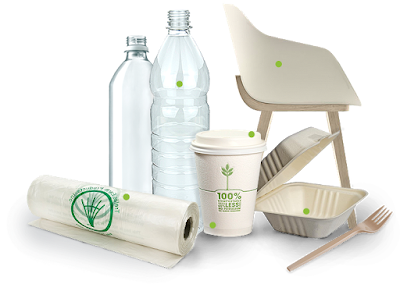
Bioplastics are plastics derived from renewable biomass sources, such as vegetable fats and oils, corn starch, or microbiota. Bioplastic can be made from agricultural by-products and also from used plastic bottles and other containers using microorganisms. Common plastics, such as fossil-fuel plastics, are derived from petroleum or natural gas. Production of such plastics tends to require more fossil fuels and to produce more greenhouse gases than the production of biobased polymers. 
Bio plastics
bio plastics

Bioplastics
Plant-Derived Plastics (Bioplastics)


To globally reduce environmental burden, we have conducted R&D to increase use of plant-derived plastics in packaging. Typical materials include polylactic acid (PLA) derived from corn which will be converted into a low-molecular through hydrolysis process and finally decomposed into carbon dioxide and water through microbial action.

Plastic Bottle Manufacturers in kerala
Plastic Bottle Manufacturers in south india